Project
Allakando
Role
UX Designer
Focus
Conversion Optimization, UX Design, CRO
Team
UX Designer, Product Owner, Developer
From Transaction to Conversation
Allakando's onboarding asked users to commit before they understood their options. I redesigned it into a progressive flow that helped parents and students find the right support before asking for anything.
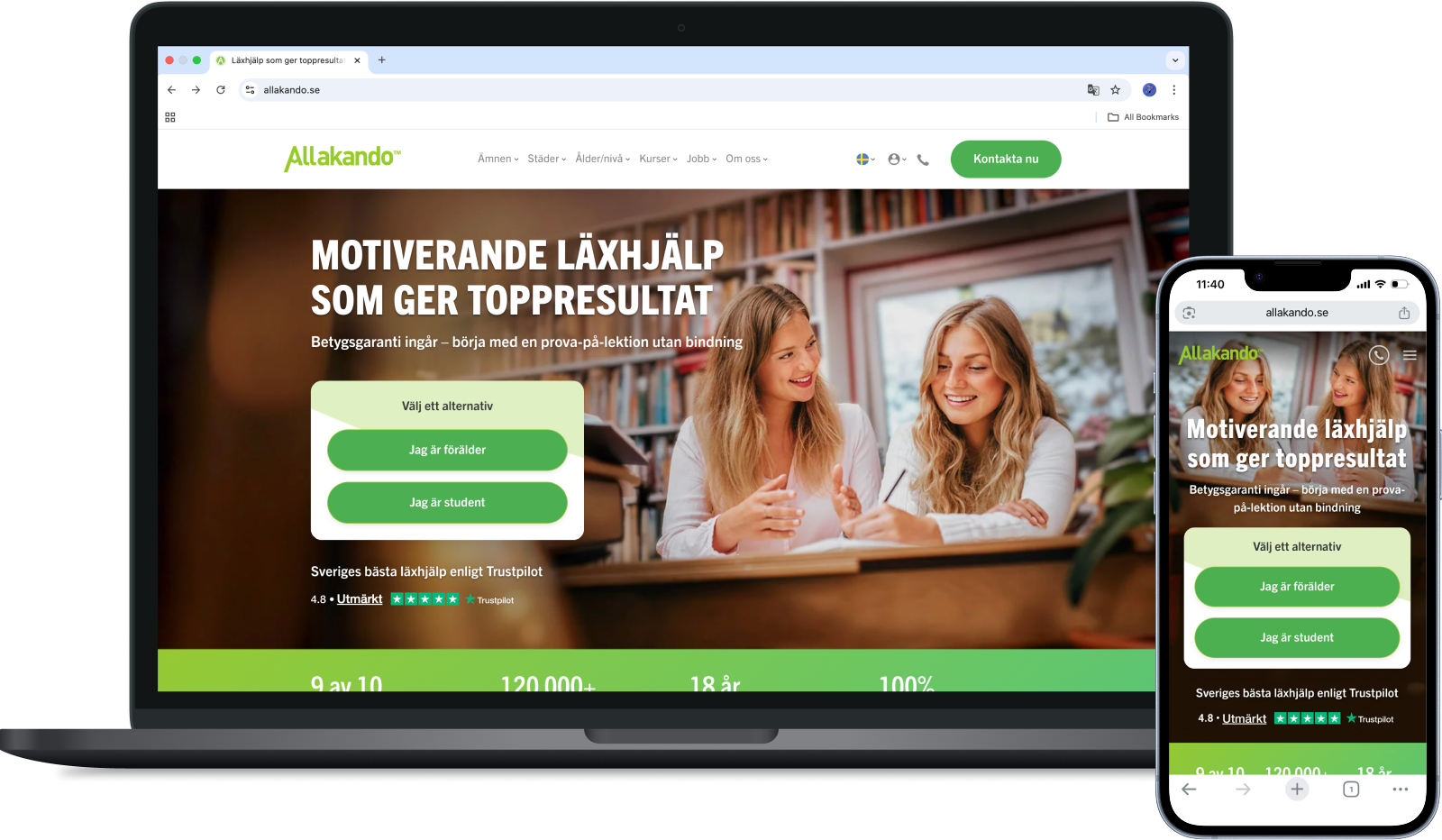
The Existing Experience
The original onboarding experience was designed as a transactional lead-generation funnel.
Visitors arriving on the website were immediately presented with a call-to-action to request a free price proposal. While effective at collecting leads, the experience asked users to commit before understanding their situation, goals, or educational needs.
The onboarding focused on collecting information rather than helping users understand which tutoring solution was right for them.
As a result, users had to make decisions with limited context and little guidance throughout the journey.
“The onboarding was optimized for collecting leads, not helping users make confident decisions.”
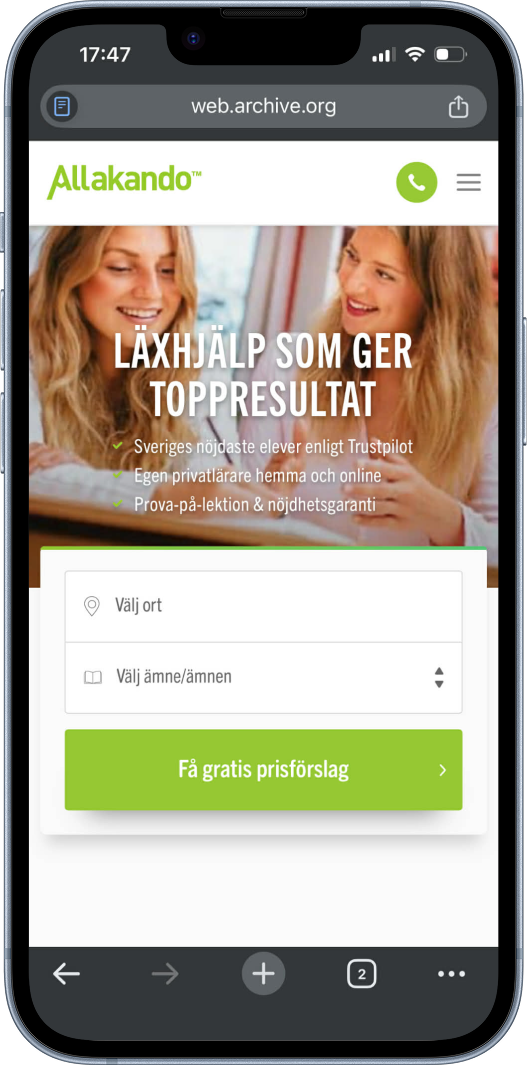
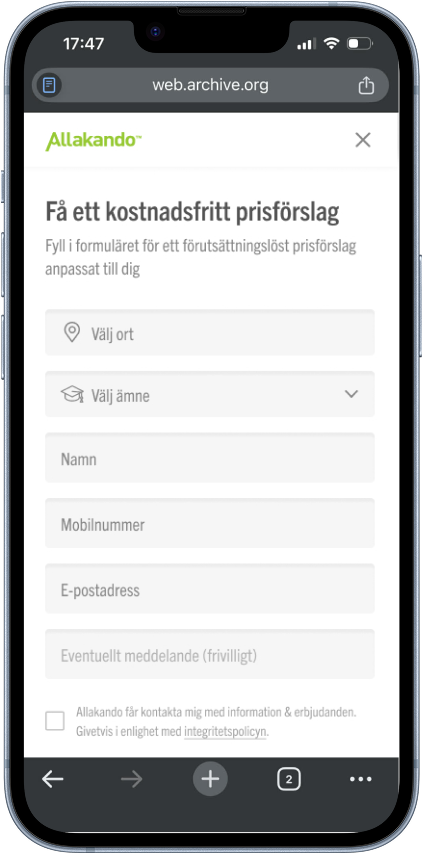
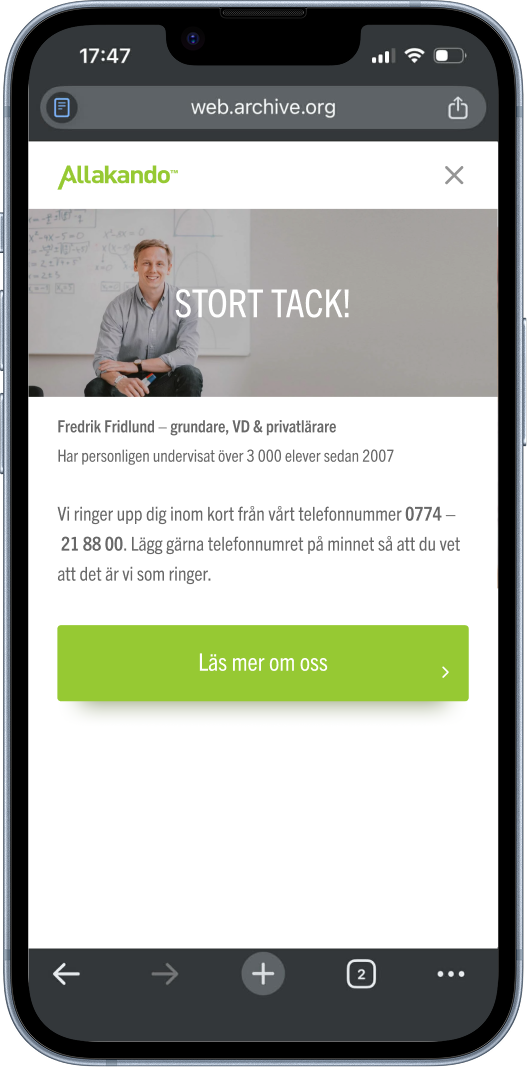
Web Analytics
To understand where users were struggling, I started by digging into Google Analytics. It quickly became clear that there was a structural conversion issue—despite high click-through on “Get Free Price Proposal,” most users dropped off at the contact details step.
User Research
Before designing anything, I needed to understand why users were dropping off. I dug into session recordings, sales calls, and usability tests — and the same pattern kept surfacing:
Users were exploring while the funnel was asking them to commit.
Session recordings (Hotjar)
- Users clicked the primary CTA but frequently navigated back to explore the website for reassurance.
- After submitting the contact form, many exited immediately, suggesting limited post-submission engagement.
- Users scrolled extensively on the landing page before interacting with the form, indicating ongoing evaluation.
- Repeated toggling between pages suggested a need for additional trust and clarity signals.
Usability testing
- Users hesitated when asked to share contact details before understanding how the service worked.
- Parents wanted clarity on the tutoring process before committing to a sales call.
- The "Get Free Price Proposal" CTA sparked interest but created uncertainty about next steps.
- Participants often asked "What happens next?" indicating uncertainty about the onboarding.
- Users perceived submitting contact details as a significant step rather than a low-friction inquiry.
Sales call recordings
- Emotional and academic concerns were primary drivers of engagement during sales conversations.
- Parents sought reassurance around confidence, motivation, and long-term academic development, not just grades.
- Price influenced final decisions but was rarely the only topic raised in conversation.
- Users who felt prepared and informed during the call progressed more confidently toward booking.
Reframing the Onboarding
The onboarding wasn't a conversion problem — it was a confidence problem. I reframed it from a transactional lead-capture into a progressive commitment model: help users understand their needs first, then ask for commitment.
Transactional Funnel
1. Interest Trigger (Price)
Price attracts exploration but does not signal readiness.
2. Immediate Commitment
Contact details requested before confidence is built.
3. Sales Handoff
Digital journey ends; responsibility shifts to phone sales.
Progressive Commitment
1. Identity
Users situate themselves in context through low-effort input.
2. Relevance
Context builds understanding and emotional engagement.
3. Confidence
Value and clarity are established before asking for contact details.
4. Supported Transition
The digital journey prepares users for a sales conversation.
The Progressive Onboarding Flow
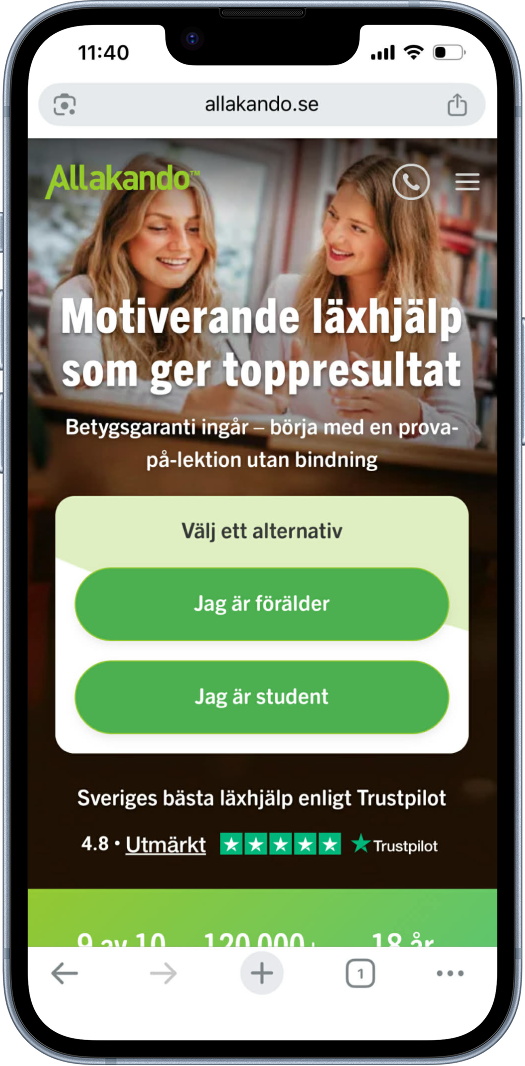
01
Identity
Parent or student? Start with who you are.
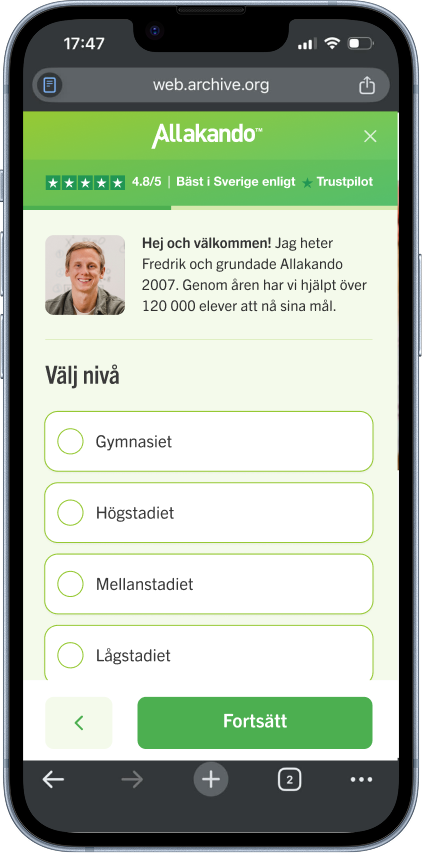
02
Level
Educational context establishes relevance.
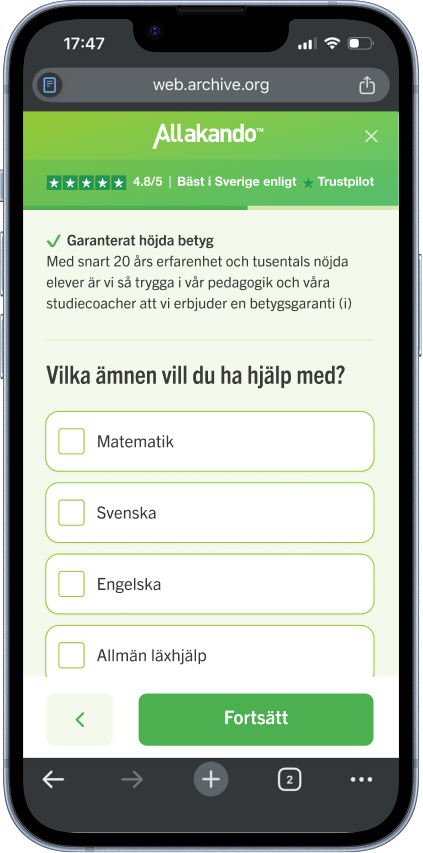
03
Subjects
Specific needs guide personalization.
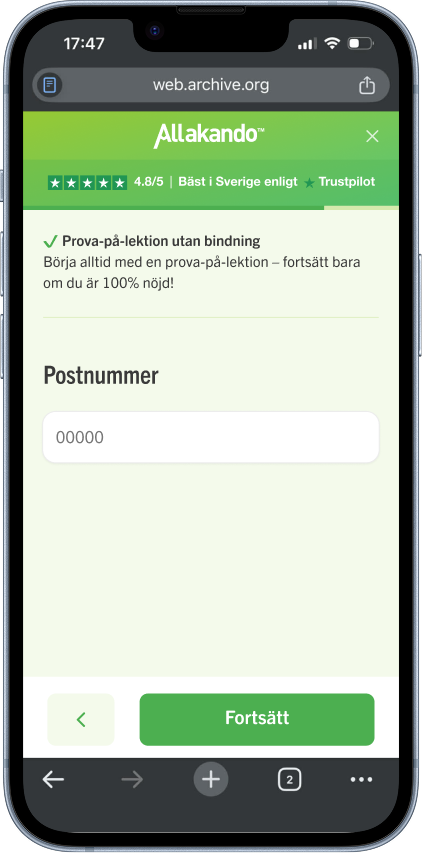
04
Location
Match with locally available tutors.
05
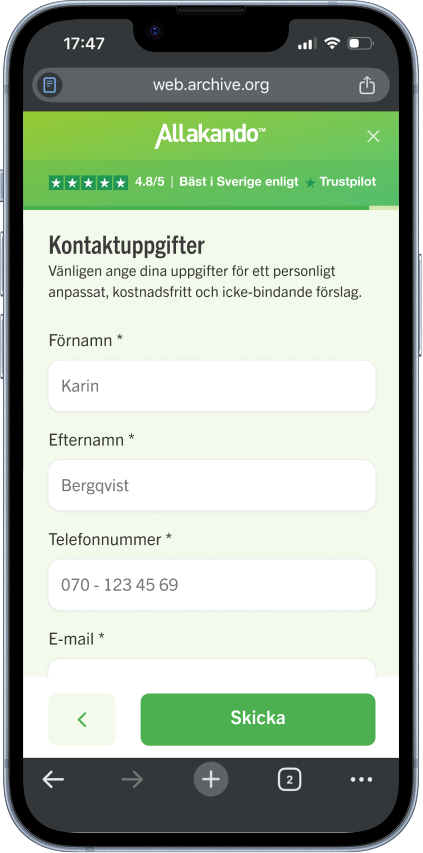
Contact
Commitment after context is established.
06
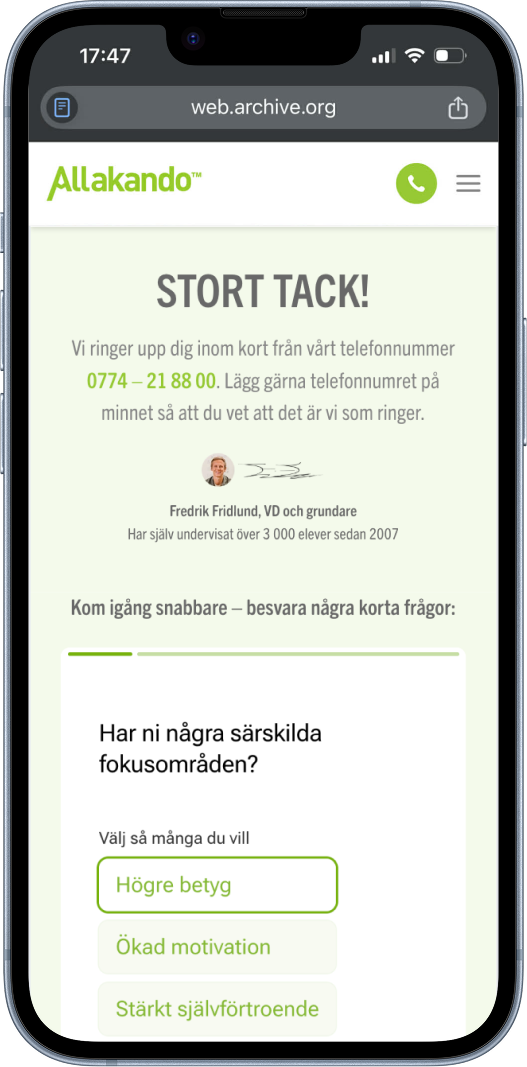
Confirmation
Clear next steps and continued engagement.
Outcome
Increase in SQL Conversion
Sales Qualified Leads from the redesigned onboarding experience
Reflection
The real problem wasn't conversion — it was confidence. Users were dropping off because the experience never helped them get there.
By shifting from a transactional funnel to a guided conversation, the redesign reduced uncertainty and aligned user needs with business goals.